



.png)

When Is a Period Actually “Late”?
A 28-day cycle is often used as a reference point, but real life is more varied. For many people, a typical menstrual cycle falls somewhere between 21 and 35 days. Irregular cycles are also common: about 14% to 25% of women report cycle lengths that are shorter or longer than what’s considered a typical range. So “late” isn’t the same for everyone; what matters most is what’s normal for you!
Menstrual changes can have many causes, and not all of them are travel related. That said, travel can temporarily nudge cycle timing. The most common travel-related factors are stress, sleep and circadian disruption (including jet lag), and energy balance (for example, eating less while moving more while on vacation).
Stress and Sleep Disruptions
Travel stress happens to almost everyone at some point: delays, missed connections, unfamiliar places, plans changing at the last minute. Even when it’s “good stress,” your body may still register it as a disruption.
That matters because stress and poor sleep can influence ovulation timing. If ovulation happens later than usual, the next period often arrives later too. One reason is that the body’s stress response can affect the brain–hormone signals that regulate the menstrual cycle. And when sleep is disrupted (for example through short nights, insomnia, or irregular schedules), the overall timing system that helps coordinate daily hormone patterns can get temporarily out of sync. The result for some people: a slightly delayed period, a lighter bleed, or occasionally a missed cycle, especially when several stressors stack up at once.
Jet Lag and Time Zones: When your body clock and cycle get temporarily out of sync
You may have come across the term circadian rhythm in the context of sleep and recovery. In simple terms, it’s your body’s internal 24-hour clock that helps coordinate daily patterns like sleep and wakefulness, hormone release, body temperature, and more. It’s mainly set by light and darkness, which is why crossing time zones can feel so disorienting.
When you travel, jet lag and shifted routines can disrupt sleep, and the timing cues your body relies on. Add unfamiliar beds, short nights, insomnia, or irregular mealtimes, and your internal clock can temporarily drift. For some people, that kind of circadian disruption is associated with temporary cycle changes (for example, a slightly later period or spotting), especially when combined with stress and fatigue.
Quick tips to fight jet lag
If you want to keep jet lag in check, a few small steps can make adjustment easier:
- Before you go: If you can, shift bedtime and wake time a little earlier or later for a few days, depending on your destination.
- If timing matters: For an important event (work event, a wedding, etc.), arriving a day or two early can help your body settle.
- During travel: Hydrate, and use caffeine earlier in the day if needed and avoid it later in the afternoon/evening.
- Limit alcohol: It can impact sleep and make jet lag feel worse.
- Nap smart: Short naps (only about 15–20 minutes) can help without ruining nighttime sleep.
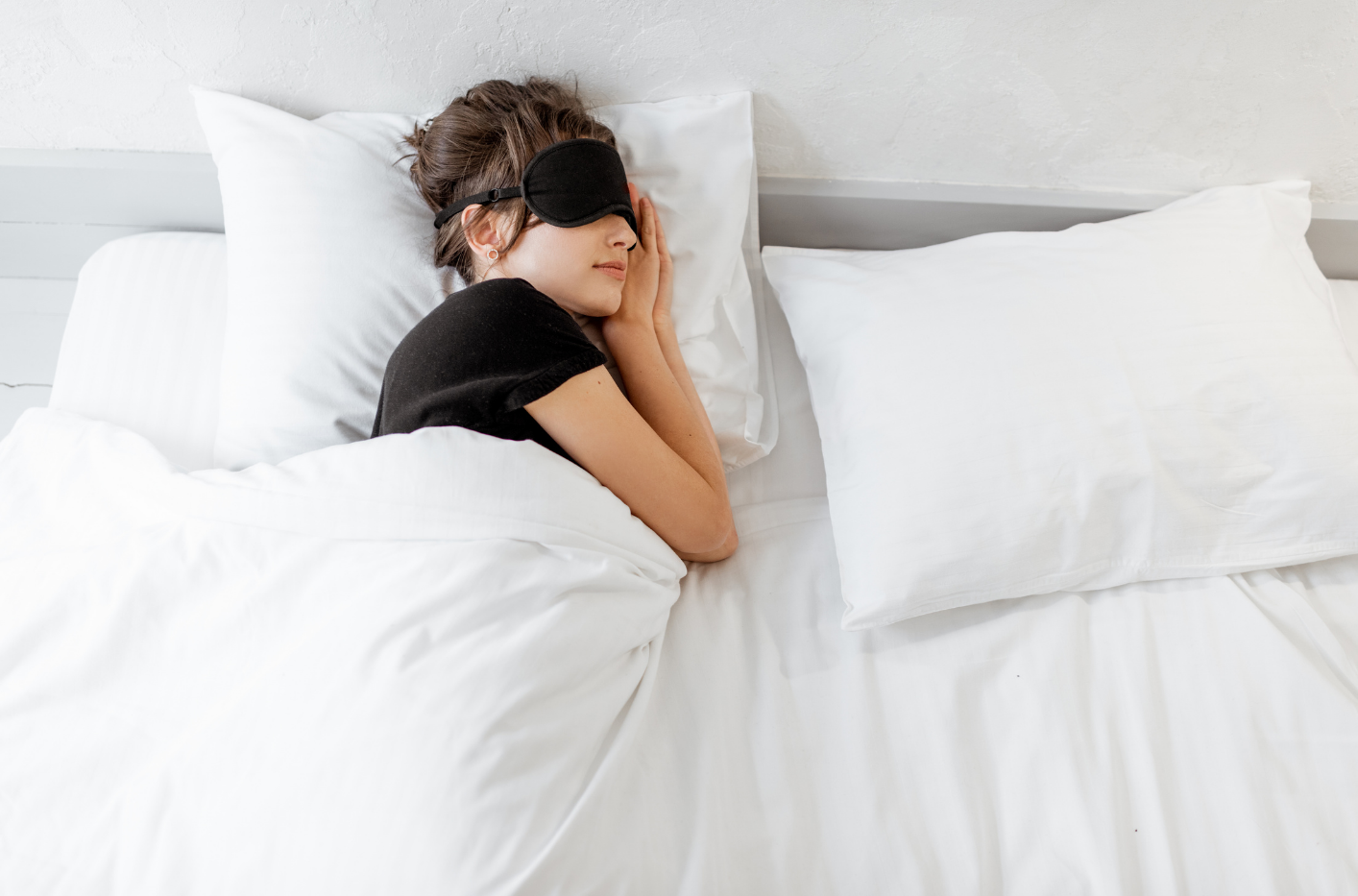
- Sleep aids, eye masks, and earplugs can also help, and are commonly available in pharmacies.
Altitudes and the Menstrual Cycle
Planning a trek or a mountain trip? High-altitude travel often comes with a “stack” of stressors: hard physical effort, colder temperatures, disrupted sleep, appetite changes (sometimes eating less), and time zone shifts. For some people, that combination can temporarily affect cycle timing or bleeding.
As Prof. Dr. med. Susi Kriemler (pediatrician, sports medicine specialist and epidemiologist) put it in our interview: “Often menstrual bleeding stops because the body saves energy where it can be easily saved. The stress is not only due to the oxygen deficit when climbing to high altitudes, but also due to traveling in general, time changes, cold, physical exertion, a different diet and so on.”

One well-established factor here is low energy availability: when you’re exercising a lot (for example, on long hikes) but not eating enough to match the energy demand, the body may reduce reproductive hormone signaling. Over time, that can contribute to missed periods, especially in combination with stress and weight loss.
If you’re trekking or climbing, try to fuel and hydrate consistently. Your body is doing heavy work, and under-eating (especially with lots of exertion) can make cycle changes more likely.
GI issues, traveler’s diarrhea, and antibiotics: here’s what you need to know
Many people notice digestive changes when they travel, from constipation to sudden diarrhea. Traveler’s diarrhea is usually caused by germs picked up through contaminated food or water, which is why it’s often linked to things like tap water, ice cubes, raw foods, street food, or buffets that have been sitting out. In most cases it’s unpleasant but short-lived. In more severe cases, for example, if you experience diarrhea with a persistent fever and/or blood in your stool, you should immediately seek medical attention.
In those more severe cases, a clinician may recommend medication, sometimes including antibiotics. Most antibiotics do not reduce the effectiveness of the contraceptive pill. The main exceptions are rifampicin and rifabutin, which can make hormonal contraception less effective, so extra precautions are needed if you are prescribed them. If you’re unsure, ask a pharmacist or your prescribing clinician.
The bigger day-to-day issue while traveling is often vomiting or diarrhea, because it can reduce how well the pill is absorbed. If you vomit within a few hours of taking a pill, follow the instructions for your specific contraceptive and consider backup contraception (like condoms) while you’re unwell and for the recommended number of days after.
Sexual Health while Traveling
For many people, travel also means new connections and, sometimes, sex. If your period is late and pregnancy is possible, a pregnancy test is the first and most practical step.
It’s also worth remembering that some sexually transmitted infections (STIs) can show up as spotting or bleeding between periods, or bleeding during or after sex rather than a “late period.” Infections like chlamydia and gonorrhea can cause these symptoms; however, they can also be completely symptom-free. An STI check is a simple way to rule out possible infections.

The Big Picture: Your Cycle and Travel
Travel can be a lot for the body. New routines, different sleep, stress, and changes in eating and activity can all show up in your cycle. In many cases, a short delay or light spotting settles once you’re back in your usual rhythm. Still, you know your body best: if something feels off for you, or you have symptoms like severe pain, fever, very heavy bleeding, or persistent changes, it’s worth getting medical advice. You deserve to travel with peace of mind, and to feel confident about what your body is telling you.
Sources
Cabre, H. E., Moore, S. R., Smith-Ryan, A. E., & Hackney, A. C. (2022). Relative energy deficiency in sport (RED-S): Scientific, clinical, and practical implications for the female athlete. Deutsche Zeitschrift für Sportmedizin, 73(7), 225–234. https://doi.org/10.5960/dzsm.2022.546
Centers for Disease Control and Prevention. (2022, October 6). Jet lag. CDC Travelers’ Health. https://wwwnc.cdc.gov/travel/page/jet-lag
Centers for Disease Control and Prevention. (2024, November 18). Combined hormonal contraceptives. CDC Contraception. https://www.cdc.gov/contraception/hcp/usspr/combined-hormonal-contraceptives.html
Gordon, C. M., Ackerman, K. E., Berga, S. L., Kaplan, J. R., Mastorakos, G., Misra, M., Murad, M. H., Santoro, N. F., & Warren, M. P. (2017). Functional hypothalamic amenorrhea: An Endocrine Society clinical practice guideline. The Journal of Clinical Endocrinology & Metabolism, 102(5), 1413–1439. https://doi.org/10.1210/jc.2017-00131
Mayo Clinic Staff. (2024, March 12). Sexually transmitted disease (STD) symptoms. Mayo Clinic. https://www.mayoclinic.org/diseases-conditions/sexually-transmitted-diseases-stds/in-depth/std-symptoms/art-20047081
National Health Service. (2022, November 11). Antibiotics: Interactions. NHS. https://www.nhs.uk/medicines/antibiotics/interactions/
National Health Service. (2024, February 15). What to do if you’re sick or have diarrhoea when taking the combined pill. NHS. https://www.nhs.uk/contraception/methods-of-contraception/combined-pill/sickness-or-diarrhoea/
National Institute of General Medical Sciences. (2025, May 20). Circadian rhythms. National Institutes of Health. https://www.nigms.nih.gov/education/fact-sheets/Pages/circadian-rhythms
Schliep, K. C., Mumford, S. L., Vladutiu, C. J., Ahrens, K. A., Perkins, N. J., Sjaarda, L. A., Kissell, K. A., Schisterman, E. F., & (BioCycle Study Team). (2015). Perceived stress, reproductive hormones, and ovulatory function: A prospective cohort study. Epidemiology, 26(2), 177–184. https://doi.org/10.1097/EDE.0000000000000238
Shriver, E. K. National Institute of Child Health and Human Development. (n.d.). Menstruation and menstrual problems. National Institutes of Health. Retrieved March 2, 2026, from https://www.nichd.nih.gov/health/topics/factsheets/menstruation
Swapna Kollikonda, M.D. (2025, September 24). How stress can impact your menstrual cycle. Cleveland Clinic Health Essentials. https://health.clevelandclinic.org/can-stress-cause-you-to-skip-a-period