



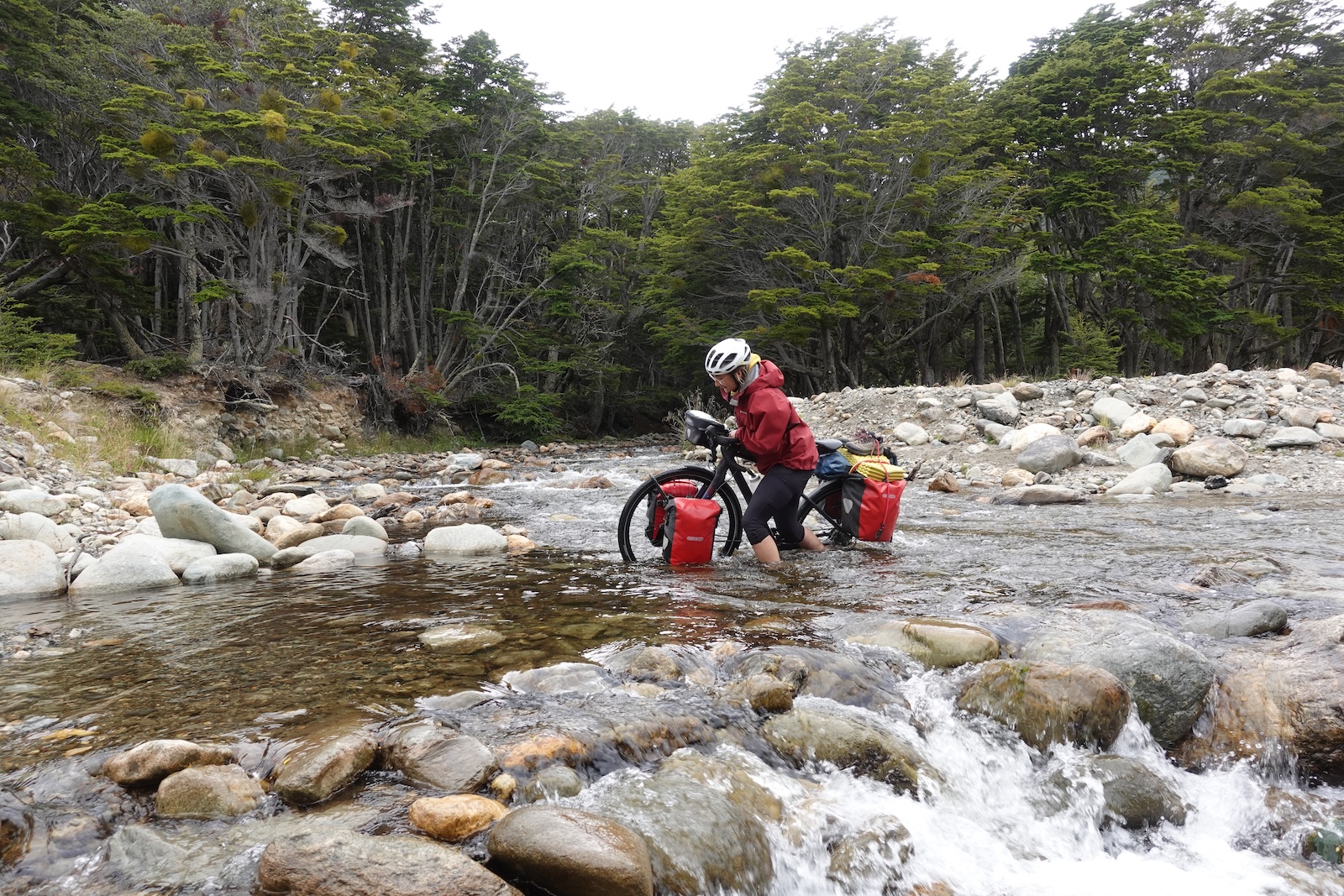

However, this immersive way of traveling also comes with its own set of challenges. Long distances between towns and access to infrastructure – including medical care – cannot always be covered quickly or easily. Water and food supplies need to be planned carefully, extreme weather conditions can put additional strain on the body, and prolonged physical exertion places considerable demands on your fitness and health.
To keep your adventure as safe and carefree as possible, it is worth preparing for these challenges in advance. Below, you will find some practical tips and tricks to help prevent common risks, recognize health problems early and be prepared for unexpected situations.
Preparation Is Key
Once an idea for an adventure begins to take shape at home, the temptation to pack your bags and set off the very same day can be strong. Compared with the excitement of traveling, preparation and planning may initially feel rather tedious. But it is worth the effort: addressing the most important questions before leaving can save time and energy on the road that would otherwise have to be spent dealing with organizational issues. And we promise: planning also builds anticipation – and as the saying goes, anticipation is half the fun!
These are some of the questions worth considering in advance:
1. Where Do I Want to Go?
You do not necessarily need to decide on one specific destination. In fact, keeping your plans open can be part of the sense of freedom that makes adventure travel so appealing. Nevertheless, having a general direction or region in mind is helpful. It gives you a better idea of the climate zones you may travel through, how remote your route might become, which forms of public transport are commonly available and which languages are spoken in the regions you plan to visit. These considerations, in turn, make it easier to prepare specifically for the conditions you are likely to encounter.
2. How Do I Want to Travel?
There are almost no limits to the possibilities: on foot, by bus, bicycle, sailing boat, canoe, packraft or touring skis – many options are possible. If you choose a form of transport or activity with which you have little previous experience, you should familiarize yourself with it early and learn the necessary skills. Targeted basic fitness training is also worthwhile: it allows your body to gradually adapt to the physical demands ahead and can reduce the risk of overuse injuries during the trip.
If you are traveling with a bicycle, canoe or another form of personal transport, it is also important to become familiar with your equipment. Being able to carry out simple maintenance and repairs yourself can be extremely valuable on the road – particularly when the nearest repair shop is far away. A little practice and the right spare parts should therefore also form part of your preparation.
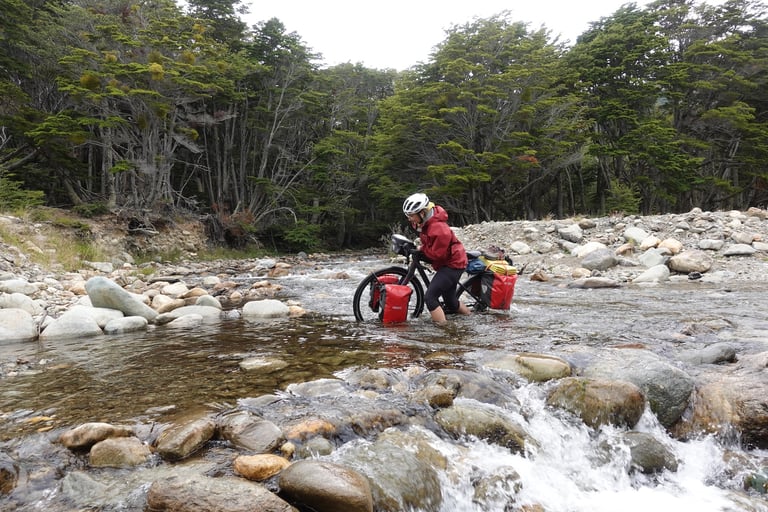
Author Sarah Flückiger on a bike trip in Patagonia
3. How Long Do I Want to Travel?
This is where some very practical considerations come into play. What type of insurance is suitable for the planned duration and nature of the trip? Anyone temporarily leaving their job or taking an extended career break should pay particular attention to accident insurance coverage.
In Switzerland, if you have previously been employed for at least eight hours per week, non-occupational accident insurance generally remains valid for 31 days after your employment or entitlement to salary ends. After that, this coverage expires. A so-called Abredeversicherung – an extension of your existing accident insurance – can prolong this protection for up to an additional six months.
Additional travel insurance may also be advisable. Depending on the activities you are planning, potential costs may include medical treatment, repatriation, rescue operations or evacuation.
Once the key aspects of your trip have been clarified, it may also be useful to arrange a pre-travel medical consultation. Depending on your destination, type of travel and duration of the trip, different medical considerations may become relevant – ranging from required and recommended vaccinations to malaria prevention and other health risks associated with particular regions.
For the consultation to be as individual as possible, it is important to discuss not only your specific travel plans but also your own medical history. Existing medical conditions or medications taken regularly may influence both travel planning and medical recommendations. This allows the consultation to be tailored to your individual situation and helps clarify exactly what you should consider from a medical perspective before setting off on your adventure.

On the Road – When Remoteness Suddenly Becomes Real
Once the journey begins, you often realize just how many things we take for granted in everyday life. Slow internet? No problem – we wait a moment. Thirsty? We buy a bottle of water. Battery empty? The next power outlet is usually not far away. On a remote hike, cycling trip or backpacking adventure, however, a minor inconvenience can quickly become a genuine challenge.
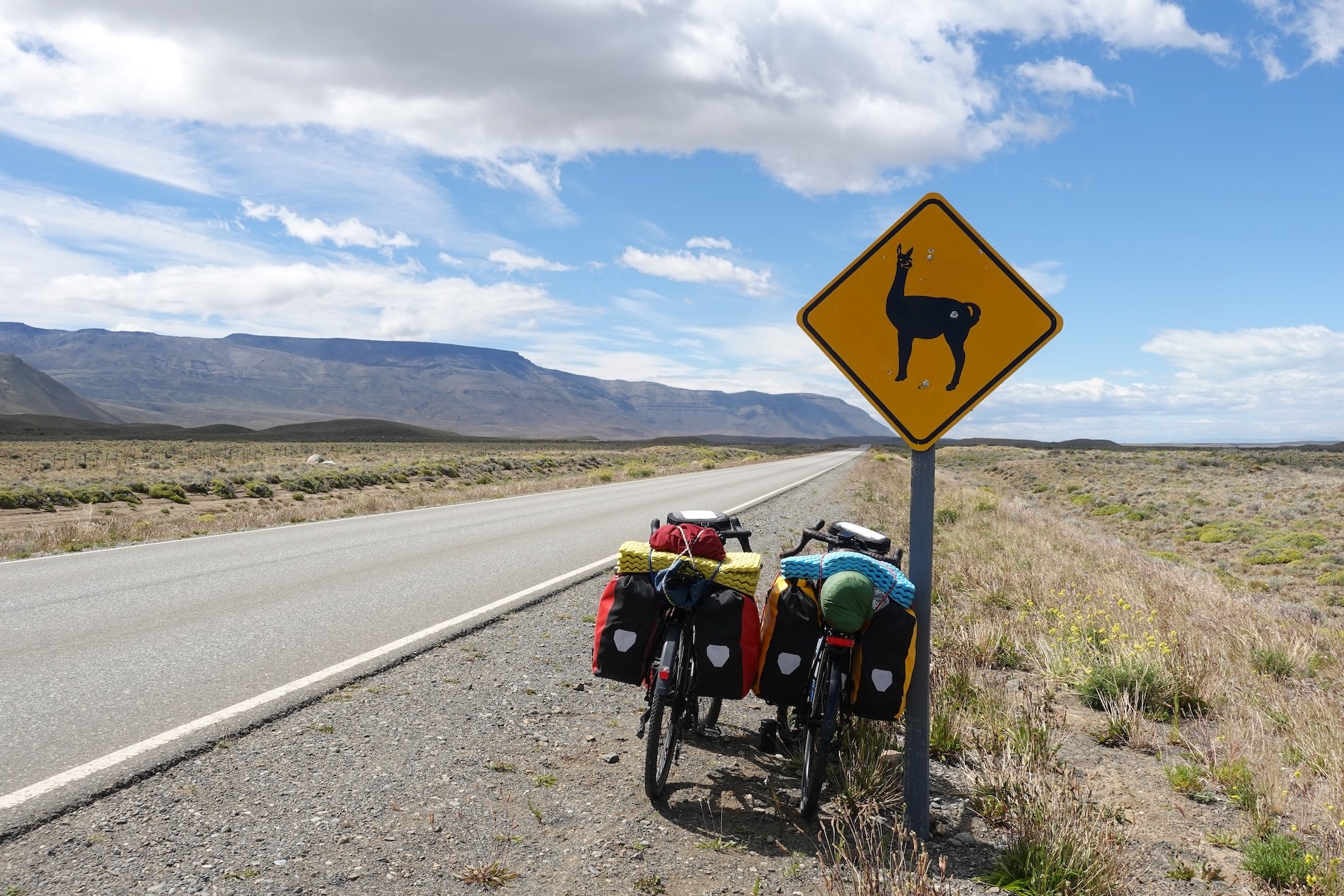
When Your Phone Suddenly Can’t Help You Anymore
At some point, it happens: your screen says “No Service.” Google Maps will not load, messages cannot be sent and the next village is still many kilometres away. Suddenly, you are on your own.
There is no need to panic. Maps can now easily be downloaded for offline use. Nevertheless, your phone should not be your only means of navigation, as its battery can run out as well. In this respect, a good old-fashioned paper map is still hard to beat.
To extend your phone’s battery life, a few simple measures can help: switch on airplane mode, keep your phone close to your body in cold conditions and always carry a power bank to keep essential devices functioning. On longer trips without access to electricity, solar panels can also provide a way of generating power independently.
In remote areas, another important question arises: What do I do if something actually happens? In the event of an accident or acute illness, being able to call for help may be crucial. If you expect to spend long periods without mobile phone coverage, satellite communication devices such as Garmin’s inReach system can provide an important additional layer of safety. Depending on the device and subscription, they can be used to send messages, share your location or request emergency assistance.
Water – Suddenly One of the Most Important Questions
The reality of being in a remote area becomes even more immediate when it comes to water. Anyone hiking, cycling or carrying heavy equipment all day loses significantly more fluid through sweating than they would during everyday activities. At the same time, the next opportunity to buy a bottle of water may be nowhere in sight.
Particularly on remote routes, it is therefore important to plan carefully and in advance where your next opportunity to refill your water supply will be. A spring, stream or lake can become an essential resource – but clear water is not automatically safe water.
Pathogens may be present, particularly in areas with agriculture or near campsites and hiking regions without adequate sanitation or water-treatment infrastructure. If contaminated water is used for drinking, cooking, washing fruit or vegetables, or brushing your teeth, it can cause gastrointestinal symptoms such as diarrhea, vomiting and abdominal pain – among the most common medical problems encountered while traveling.
Anyone who relies on natural water sources should therefore know how to make water safe:
1. Boiling: Boiling is the safest method of treating water. A rolling boil reliably kills all types of pathogens, including viruses, bacteria and parasites. Water should be kept at a rolling boil for at least one minute. Because the boiling point decreases at higher altitudes, water should be boiled for at least three minutes at elevations above approximately 2,000 metres.
2. Filtering: Filtering is the second-best option for treating water and is very practical while traveling. With a hollow-fibre filter, such as the Katadyn® BeFree, water is forced through fine membranes with a pore size of 0.1 microns (0.0001 mm). This removes protozoa, bacteria and sediment. Viruses, however, are smaller and are not reliably removed by this type of filter.
An important tip in cold conditions: hollow-fibre filters must not freeze. Even a single night at sub-zero temperatures can damage the delicate filter membranes. In cold weather, the filter should therefore be kept inside your sleeping bag overnight.
3. Chemical disinfection: Water purification tablets such as Micropur Forte® can be used to kill viruses and bacteria in water. However, they are not always reliably effective against certain parasites such as Cryptosporidium. A combination of filtration followed by chemical disinfection therefore provides even greater protection and is particularly recommended for cloudy water.
Important: Water contaminated with harmful chemicals, toxins or radioactive substances cannot be made safe by boiling, filtering or chemical disinfection. If such contamination is suspected, the water should not be used.
Other Health Challenges on the Road – Sun, Insects and Injuries
After diarrheal illnesses, sunburn, insect bites and skin and soft-tissue infections – for example as a result of poor foot hygiene or burst blisters – are among the most common medical problems encountered during adventure travel. Here, too, prevention is always better than cure.
Sun – Less Is More
The best protection against sunburn and heat-related illness is surprisingly simple: avoid excessive sun exposure. When solar radiation is particularly intense, it is worth scheduling physically demanding activities outside the hottest part of the day and making use of the cooler morning and evening hours instead.
Appropriate clothing also offers very effective sun protection. Lightweight long-sleeved clothing, a hat and sunglasses protect large areas of the body while reducing the amount of sunscreen required. This is particularly practical when packing space is limited, as sunscreen needs to be applied regularly and in sufficient quantities – and is quickly lost through sweating and friction.
Insects – Small, but Not Always Harmless
Long-sleeved clothing offers another advantage: it is also one of the simplest and most reliable forms of protection against mosquitoes and ticks. Particularly in regions with large numbers of mosquitoes or other insects, it is advisable to cover as much skin as possible.
When sleeping in a tent or hammock, make sure that mosquito netting is fully closed and has no gaps. A suitable insect repellent should also be part of your luggage.
This is about more than comfort. Insects and arthropods such as mosquitoes, ticks and bugs can transmit a range of pathogens, including viruses such as dengue and Zika, bacteria such as Borrelia and Rickettsia, and parasites such as malaria and trypanosomes.
Accidents and Injuries – Being Prepared Makes All the Difference
Adventure travel inevitably involves a greater risk of accidents and injuries. Preventing serious accidents requires not only a healthy dose of common sense, but also a few additional precautions.
These include avoiding cycling or hiking in the dark without adequate lighting and never entering terrain with a risk of falling without appropriate protection. Weather conditions, your own abilities and your physical condition should also always be taken into account when planning your route.
Fortunately, most injuries that occur on the road are minor and can be managed effectively with some basic knowledge.
These can usually be treated yourself:
1. Blisters and minor abrasions:
The feet are exposed to continuous strain during long hikes and cycling trips. Moisture, sweat and friction promote blisters and skin irritation. Good foot hygiene, dry socks and well-fitting shoes can help prevent problems.
If a blister does develop, it should be treated early and protected from further friction. Burst blisters, like abrasions, are open wounds and therefore provide an entry point for bacteria. They should be cleaned with clean drinking-quality water, disinfected and covered with a plaster or special blister dressing.
2. Small, uncomplicated cuts:
For minor cuts, the most important steps are to rinse the wound thoroughly with clean drinking-quality water, remove any dirt or foreign material, disinfect it and then cover it with a plaster or wound dressing.
If the wound is heavily contaminated, it should be left open and covered loosely rather than being closed.
3. Mild sprains and strains – for example, of the ankle: The PRICE approach can help: Protection, Rest, Ice for approximately 10 minutes, Compression with a bandage and Elevation of the affected body part.
4. Minor burns: Cool the area immediately under clean, running water that is cool but not ice-cold for up to 20 minutes. Afterwards, clean the wound with water and mild soap. Small, intact blisters can be left alone. If a blister has opened, a thin layer of petroleum jelly, honey or aloe vera can be applied to support healing. The area should then be covered with a clean, non-stick dressing.
To manage minor injuries such as these, it is worth carrying a first-aid kit containing the essentials. Particularly when packing space is limited, the aim is not to bring an entire pharmacy for every possible situation, but to make the right selection: as little as possible, as much as necessary.
A basic first-aid kit should include plasters and blister dressings, wound-care and disinfection supplies – including plain soap and an iodine-based antiseptic – bandages for immobilization, as well as suitable pain-relieving and fever-reducing medication such as paracetamol. Depending on the destination, duration and nature of the trip, additional medicines and equipment may also be useful.

However, some injuries and situations should not be managed independently on the road and instead require professional medical attention and prompt action.
Seek immediate medical assistance in the event of:
- unconsciousness or sudden confusion
- severe bleeding or bleeding that cannot be stopped
- paleness and weakness accompanied by a weak pulse
- persistent vomiting or diarrhea
- signs of an allergic reaction
- loss of vision, hearing, speech, movement or balance
- a limb that becomes pale, blue or purple following an accident
- a head injury accompanied by loss of consciousness, worsening headache, vomiting, altered alertness or visual disturbances
- bite injuries, particularly animal bites, or any suspected contact with a potentially rabid animal
Prompt medical assessment (within a few hours) is needed for:
- deep or gaping wounds that cannot easily be brought together
- wounds in which a tendon, joint, nerve or blood vessel may be affected
- wounds showing signs of infection, such as increasing redness, swelling, warmth or pus, or wounds that continue to worsen despite treatment
- signs of a systemic infection, such as fever, chills or weakness
- severe burns affecting the hand, foot, face or genital area, burns extending all the way around an arm or leg, or burns involving a large area of the body
- a contaminated wound when tetanus vaccination is not up to date
A useful rule of thumb while traveling: Small, clean wounds and mild sprains can generally be managed well yourself. As soon as a wound is deep, bleeding heavily, caused by an animal, showing signs of infection or accompanied by systemic symptoms such as fever or chills, medical attention should be sought.
When You Are Remote, Small Problems Can Become Bigger Ones
Ultimately, the main challenge of being in a remote location is not necessarily that something extraordinary will happen. Rather, it is that simple solutions may suddenly no longer be available.
A blister on your foot, an empty phone battery, an empty water bottle or a minor injury are usually easy to deal with in everyday life. In the middle of nature, many kilometres from the nearest town, the very same problems can suddenly require far more time, energy and attention.
It is therefore worth doing a brief reality check every now and then while traveling: How far away is the next place where I can get water? Where is the nearest road or town? How would I call for help if something happened right now?
These questions do not need to occupy your thoughts constantly. But keeping them in the back of your mind helps create a safe framework for your journey – allowing you to fully immerse yourself in the adventure.
References
Centers for Disease Control and Prevention. (2025). About Water Treatment Options When Hiking, Camping, or Traveling. https://www.cdc.gov/drinking-water/prevention/water-treatment-hiking-camping-traveling.html
Katadyn. (o. J.). Technisches Datenblatt Katadyn Befree Water Filtration System. https://www.katadyngroup.com/de/de
2024 American Heart Association and American Red Cross Guidelines for First Aid. (2024). Circulation. Hewett Brumberg EK, Douma MJ, Alibertis K, et al. https://doi.org/10.1161/CIR.0000000000001281
Surveillance for travel-related disease--GeoSentinel Surveillance System, United States, 1997-2011. (2013). MMWR Surveill Summ. Harvey K, Esposito DH, Han P, et al. PMID: 23863769.
GeoSentinel Surveillance Network. GeoSentinel surveillance of illness in returned travelers, 2007-2011. (2013). Ann Intern Med. Leder K, Torresi J, Libman MD, et al. doi: 10.7326/0003-4819-158-6-201303190-00005.
Management of Burns. (2019). The New England Journal of Medicine. Greenhalgh DG. doi: 10.1056/NEJMra1807442.
Mountain medical kits: epidemiology-based recommendations and analysis of medical supplies carried by mountain climbers in Colorado. (2017). J Travel Med. Brandenburg WE, Locke BW. doi: 10.1093/jtm/taw088. PMID: 28395094.
Wilderness Medical Society Practice Guidelines for Basic Wound Management in the Austere Environment. (2014). Wilderness & Environmental Medicine. Quinn RH, Wedmore I, Johnson E, et al. doi:10.1016/j.wem.2014.04.005.
Wilderness Medical Society Clinical Practice Guidelines for the Treatment of Acute Pain in Austere Environments: 2024 Update. (2024). Wilderness & Environmental Medicine. Fink PB, Wheeler AR, Smith WR, et al. doi:10.1177/10806032241248422.
First Aid: Guidelines From the American Heart Association and American Red Cross. (2026). American Family Physician. Nelson M. https://www.aafp.org/afp/2026/0300/practice-guidelines-first-aid.