



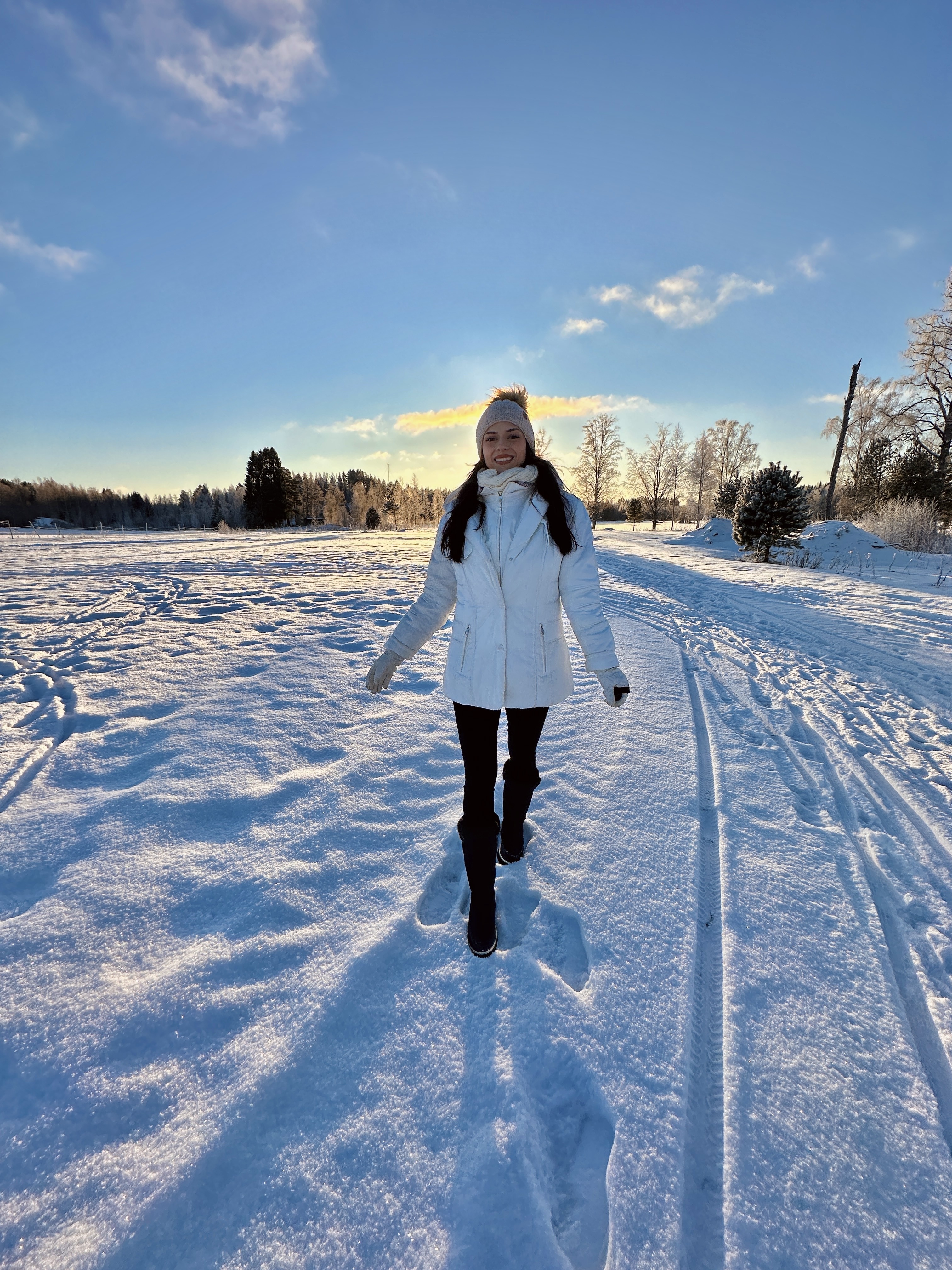

While most of our patients are drawn to warmer destinations such as Thailand, Vietnam, or Namibia, we also advise those who are looking for adventure on the “roof” of our beautiful planet: in the Arctic.
The Arctic is a world of extremes. Light, climate, and landscape are so unique here that they make this region a challenging – but incredibly fascinating – travel destination. In this blog post, we’ll embark together on a journey to the very top of the world, to a place where you can almost feel the planet turning beneath your feet. We’ll explore what makes the Arctic special, what you should pay attention to in terms of your health, and how to prepare properly for an Arctic trip.
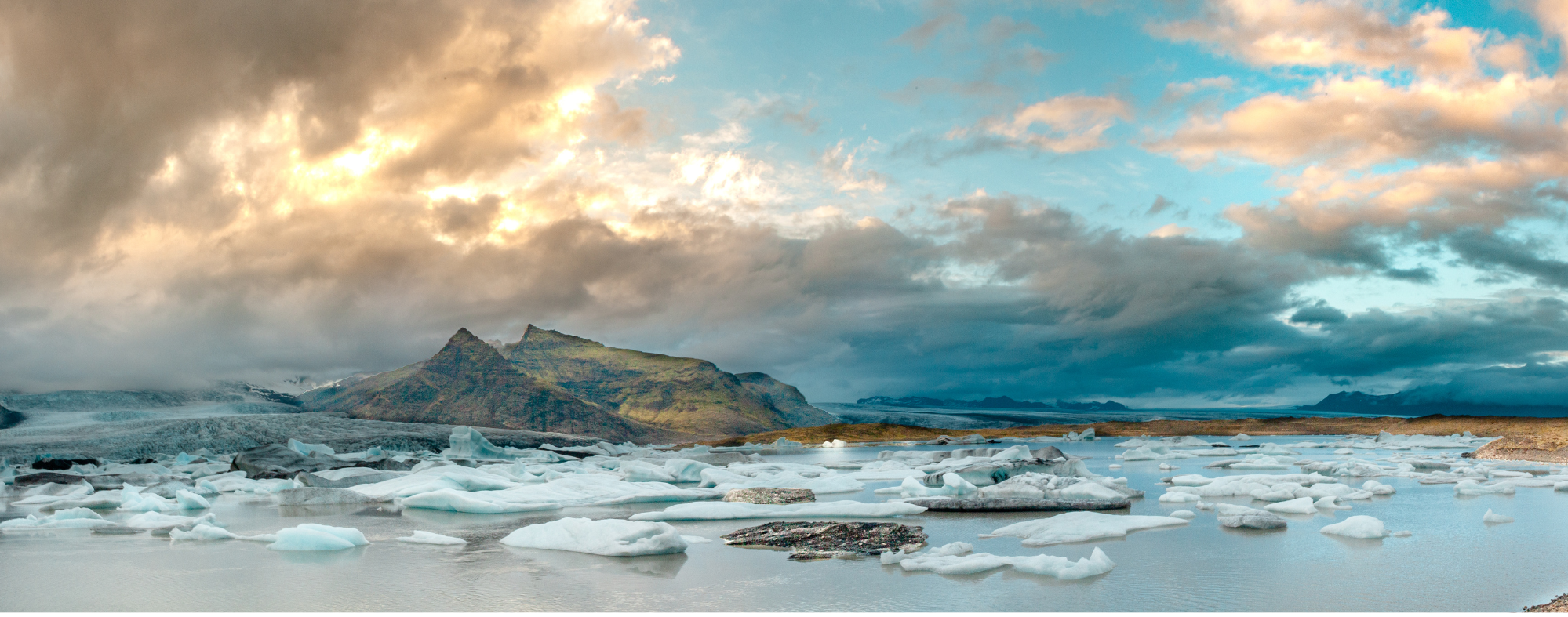
Where is the Arctic?
The Arctic is the polar region surrounding the North Pole. In contrast to Antarctica, it does not sit on a continent, but on the Arctic Ocean, which is bordered by the northernmost parts of Norway, Sweden, Finland, Russia, the United States (Alaska), Canada, Denmark (Greenland), and Iceland.
Did you know?
The Faroe Islands lie geographically a bit south of the Arctic Circle, but like the countries mentioned above, they are part of the Arctic Council – the most important intergovernmental forum for cooperation in the Arctic region.
The traditional boundary of the Arctic is the Arctic Circle (around 66°34’ N). Every place north of this circle experiences at least one full polar day each year (24 hours of daylight in summer) and one full polar night (24 hours of darkness in winter). At the North Pole itself, the sun stays continuously above the horizon for about six months in summer and remains below the horizon for about six months in winter.
Because the North Pole is at sea level and lies above ocean water, it is overall warmer than the South Pole. Arctic sea ice also acts like an insulating blanket and moderates extremes: in summer, average temperatures at the North Pole are around 0 °C (32 °F), while at the South Pole they are roughly –25 to –30 °C (–13 to –22 °F).
Since the Arctic spans several countries, travel there usually takes place within well-regulated national legal systems. Visitors must follow the laws and regulations of the country whose Arctic territory they are traveling in. Special permits may be required for particularly remote areas or protected reserves (for example, certain national parks in Svalbard or Nunavut). Overall, the Arctic is not an ungoverned wilderness, but a region with permanent settlements and infrastructure.
For travelers this means: “Arctic” does not just mean an empty ice desert – it can also mean Lapland, Greenland, northern Canada, or Svalbard, depending on the kind of Arctic experience you’re looking for.
Polar climate: Midnight sun, polar night, and extremes
No matter when you visit the Arctic, its beauty always feels a little otherworldly. The Arctic climate is defined by extreme variations in light and temperature. Winters are long, dark, and very cold, while summers offer daylight around the clock, but still remain cool.
Average winter temperatures can drop to around –40 °C (–40 °F); the coldest temperature ever recorded was about –68 °C (–90.4 °F) in Siberia. In summer, temperatures at the North Pole sit close to the freezing point, while in areas closer to the Arctic Circle they can reach about 10–19 °C (50–66 °F).
For your packing list, this means: even in summer you’ll need warm, windproof clothing. T-shirt weather happens at best in sheltered spots closer to the Arctic Circle.
The unusual light cycles can throw off your sense of time. Many travelers find it hard to fall asleep when it’s bright all night long. Sleep masks or melatonin can help you adjust your sleep rhythm. During the polar night, daylight-simulating lamps or a bit of extra caffeine can make it easier to cope with the darkness.
Did you know?
The Finns are world champions in coffee consumption. Coincidence, given the long dark winters? Let’s just say the correlation is… suggestive.
Indigenous peoples and cultures of the Arctic
The Arctic has been home to proud Indigenous communities for centuries. Today, around four million people live in the Arctic; roughly one in ten belongs to an Indigenous people. These include the Sámi in northern Scandinavia, Finland, and Russia; the Nenets, Evenks, or Chukchi in Russia; the Aleut, Yup’ik, and Iñupiat in Alaska; Inuit communities in Canada; and the Kalaallit in Greenland.
Each of these peoples has its own languages, traditions, and stories, but they all share the experience of living in an extreme climate with limited resources. Many communities have preserved traditional ways of life (hunting, fishing, reindeer herding) to this day, even though modernization and globalization have long since arrived in the Arctic.
Climate change, environmental shifts, and political constraints pose major challenges. There are efforts to restore greater autonomy to Indigenous peoples, but environmental changes hit them particularly hard.


All travelers are strongly encouraged to learn about and respect local cultures. If you visit Arctic communities or join guided tours, try to support Indigenous-owned local businesses and follow local guidelines. The human side of the Arctic – shaped by resilience, creativity, and a strong sense of community – is just as fascinating as polar bears and the northern lights. Treating local cultures with respect will enrich your Arctic travel experience in every way.
Staying safe and healthy in Arctic conditions
Even though the Arctic landscape looks like something from another world, it presents very down-to-earth challenges for your body – and for that, it needs good protection. The cold, remoteness, and specific risks require careful preparation.
Protection from cold and hypothermia
The greatest danger in the Arctic is, of course, the extreme cold. Even in milder seasons, rapid weather changes can cause dangerous cooling of the body. Hypothermia (when your core body temperature drops below 35 °C / 95 °F) can set in quickly if you’re not adequately protected. To stay warm and avoid hypothermia or frostbite, proper clothing is essential.
Dress in layers
Wear several layers on top of each other:
- Base layer: directly on the skin, moisture-wicking (damp skin cools you down very quickly).
- Insulating layer: e.g., fleece or wool that traps warm air. In very cold conditions you can wear several mid-layers.
- Outer layer: a wind- and waterproof jacket (and pants) to protect against wind, snow, and moisture.
It’s important that your clothing keeps you warm but doesn’t fit too tightly, as tight clothing can restrict blood flow and actually make you colder. The body also loses heat much faster when clothing or skin is damp, whether from snow, rain, or sweat. So take off a layer as soon as you start sweating.
Don’t ignore shivering
Shivering is an early warning sign of heat loss. It’s your body’s automatic attempt to generate heat through muscle activity. If you start shivering constantly or your extremities go numb, seek shelter from the cold right away. Early hypothermia can be reversed by warming up.
|
How to warm up gently:
What you should avoid:
|
Snacks, alcohol, and nicotine
Unfortunately, alcohol and Arctic cold are not a good match (we know, a pity). Alcohol dilates your blood vessels, so you feel warm for a short time but lose heat more quickly – a very deceptive effect. It also impairs judgment, something you really want to avoid in the Arctic.
Smoking has the opposite effect: it constricts your blood vessels, especially in your hands, increasing the risk of local frostbite.
In short: in the cold, alcohol and cigarettes are a pretty bad idea. Better: eat regularly. Cold burns a lot of energy, and small snacks like nuts, dried fruit, or chocolate help keep your body “running.” And don’t forget to drink (water, of course).
Preventing frostbite
Frostbite mainly affects body parts that are poorly protected or far from the body’s core: the ears, nose, cheeks, chin, fingers, and toes. Early signs often include tingling, stinging, pain, or numbness; the skin may look pale and slightly “waxy.”
If you notice these warning signs, move immediately to a warmer, sheltered place, remove wet clothing, and slowly warm the affected areas with body-temperature (not hot) water. Do not rub the skin and do not hold it directly against a hot radiator or heater.
Severe frostbite can cause blisters or blackened tissue. In such cases, immediate medical attention is necessary.
If you’re unsure whether it’s “just” cold or already frostbite or hypothermia: stop what you’re doing and warm up. When in doubt, it’s better to be cautious than to push through.
Did you know?
The word Arctic comes from the Greek arktikos – “near the Bear, northern” – from árktos, “bear.” It refers to the northern sky constellations Ursa Major and Ursa Minor, the Great and Little Bear.
Beyond the cold: Sunlight and UV radiation
Even in the Arctic’s cold climate, sun exposure can become a problem. Snow and ice have very high albedo – that is, they reflect a large portion of UV radiation. This often doubles your UV exposure: sunlight from above plus reflected radiation from below.
Travelers in spring or summer can therefore easily get sunburned. There’s also the risk of so-called “snow blindness” (keratoconjunctivitis photoelectrica): a sunburn of the cornea caused by intense UV reflection. It leads to red, painful, watery eyes and blurred vision that can last for hours.
Good sun protection for your skin and eyes is essential in the Arctic as well: use a high-SPF sunscreen on exposed skin and sunglasses or ski goggles with 100% UV protection.
Road accidents
On trips, accidents are among the most common causes of death in tourists – and unfortunately, the Arctic is no exception. Snowmobile accidents are relatively frequent in Arctic regions. Typical causes include excessive speed, lack of experience, poor visibility, alcohol consumption, or unexpectedly treacherous ice and terrain.
Always wear appropriate protective gear such as a helmet, goggles, and gloves, and adjust your speed to visibility, snow conditions, and your own skill level. Slower does not mean less fun. And as with driving a car: no alcohol if you’re at the controls.
Wild animals like moose or reindeer can also appear surprisingly often on the road in the Arctic. Moose are huge and heavy (bulls can weigh up to about 700 kg / over 1,500 lbs) and are not exactly known for obeying traffic rules. Reindeer (and their North American relatives, caribou) also like to show up out of nowhere. So stay alert!
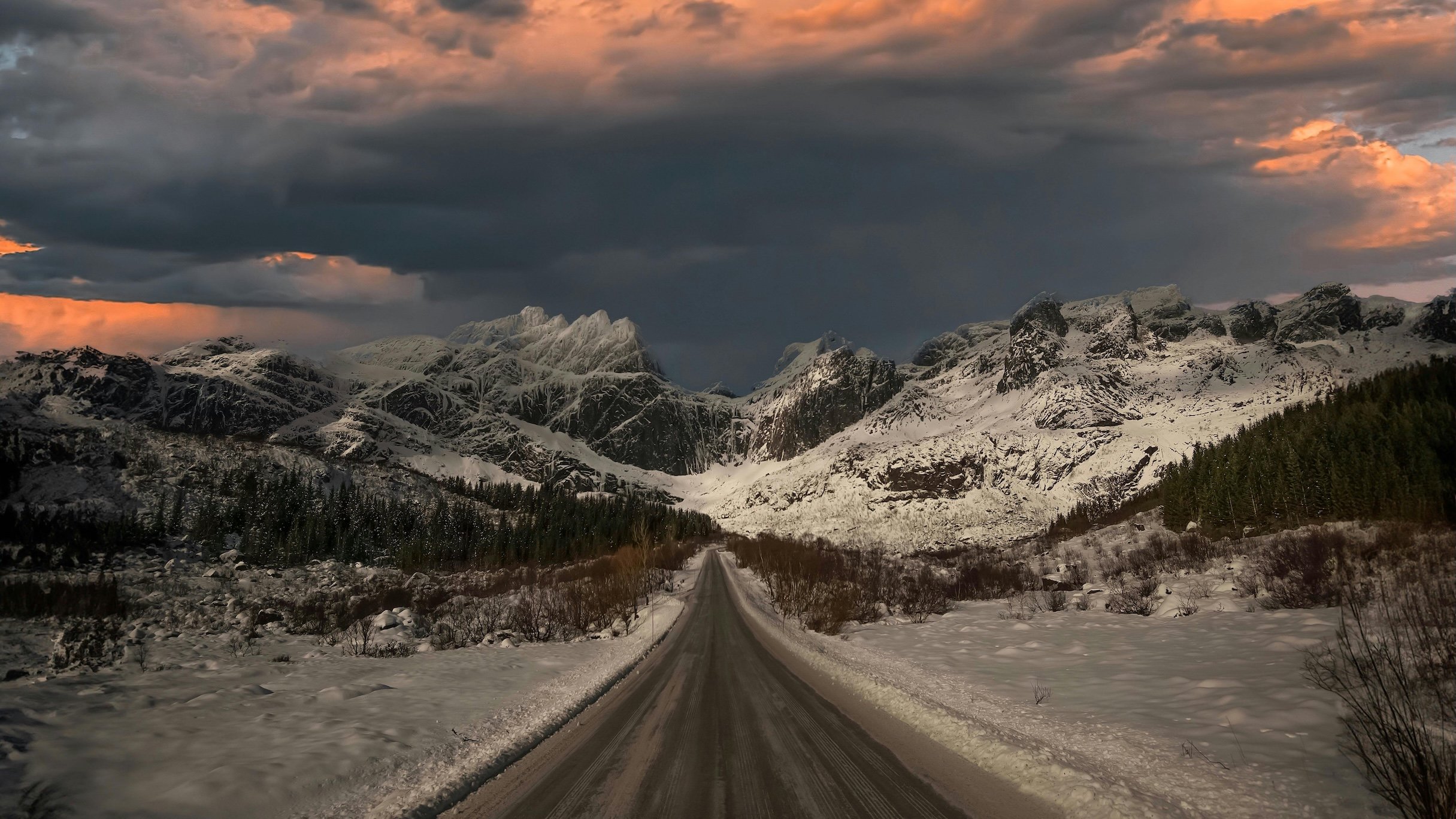
Nusfjord, Nordland, Norge // Photo by stein egil liland
Mosquitoes in the Arctic?
Yes, even in the far north you’re not safe from them, especially in the tundra and taiga regions of the Arctic. A good insect repellent is therefore a must in your luggage. Not because you need to worry about tropical diseases, but to prevent those maddening itchy bites.
(Just picture an itchy ankle under three layers of clothing and sturdy snow boots. Comfort looks different.)
Did you know?
In October 2025, a mosquito was detected in Iceland for the first time. Until then, the country was considered mosquito-free.
Wildlife encounters
One of the great attractions of an Arctic trip is the chance to see wildlife like polar bears, Arctic foxes, walruses, seals, caribou, and reindeer in their natural habitat. But it’s crucial to do so safely and respectfully. Polar bears deserve special attention: they are predators and extremely dangerous if you encounter them unprepared.
In regions with polar bears (such as northern Canada, Greenland, or Svalbard), you should only travel with experienced guides. Heading out on your own or “just briefly” leaving a marked trail is not a good idea. Food waste should always be stored securely, as polar bears have an excellent sense of smell and are being seen more and more often in human settlements as shrinking sea ice forces them onto land.
Vaccinations and preparation
Make sure your routine vaccinations are up to date, just as you would for any trip. Influenza or COVID-19 can also be much more difficult to manage in a remote, cold environment than at home.
Especially important is an up-to-date tetanus vaccination. Tetanus bacteria (Clostridium tetani) are found worldwide in soil and animal feces – including in the Arctic – and enter the body through contaminated wounds. In the event of an injury, a tetanus booster should ideally be given as early as possible (ideally within 24 hours), which can be difficult in remote regions. Therefore, before you travel, check with your doctor whether your tetanus protection is complete and have it updated in good time if needed.
Good preparation is vital in the Arctic: distances are vast, roads are scarce, and the weather is unpredictable. The nearest hospital may be far away, and storms can delay or even prevent travel. If you take medications regularly, bring an adequate supply – ideally enough for a few extra days in case your return is delayed.
A small first-aid kit should be part of every Arctic packing list. You should also check whether your travel insurance covers medical evacuations from remote areas. In an emergency, that can make all the difference.
Rabies in the Arctic?
In some Arctic regions, a specific form of the rabies virus circulates, with the Arctic fox as the main carrier. This includes parts of Alaska, Canada, Greenland, and Russia. For mainland Norway, Sweden, and Finland, no cases are known from the northern mainland, but rabies does occur on Svalbard. Norwegian authorities there recommend rabies vaccination for people who may have close contact with wildlife.
If you plan to spend a lot of time outdoors, interact with dogs or other animals, or travel in very remote areas, it’s worth getting an individual travel medical consultation about rabies.
|
Checklist: Medical preparation for the Arctic
|
“What happens in the Arctic does not stay in the Arctic”
The Arctic is a bit like the thermostat of our planet. When things get out of balance here, the whole world feels the consequences. Bright sea ice acts like a mirror and reflects a large portion of sunlight back into space. Dark ocean water, on the other hand, absorbs heat.
When ice melts, there is more open, dark water that stores additional warmth. In fall and winter, sea ice forms later; in spring, it melts earlier. This cycle further accelerates warming and contributes to more extreme weather events and rising average temperatures worldwide. Experts refer to this as a feedback loop – put simply: less ice means more heat, which in turn leads to even less ice.
Global ocean circulation, often described as a “global conveyor belt,” is also connected to the Arctic. When seawater cools and becomes denser due to higher salt content, it sinks into the depths and drives major ocean currents that distribute heat around the globe. Meltwater from glaciers and reduced sea ice change the salinity and density of this water. That can weaken these currents and, over the long term, influence weather patterns in Europe, Africa, and beyond.
Thawing permafrost releases additional greenhouse gases. At the same time, animals like polar bears suffer from having less time to hunt on the ice, and Indigenous communities whose ways of life depend heavily on sea ice have to adapt to ever faster changes.
If you travel to the Arctic, you will see many of these developments with your own eyes: retreating glaciers, changing ice cover, animals coming closer to settlements. As a traveler, you can show respect by keeping your ecological footprint as small as possible, supporting local providers, and staying aware that what happens in the far north affects all of us.
And: those who visit the Arctic come home with more than just impressive photos. You gain a clearer understanding of why climate protection is not an abstract, distant topic, but something that is closely tied to how we travel and live every day.
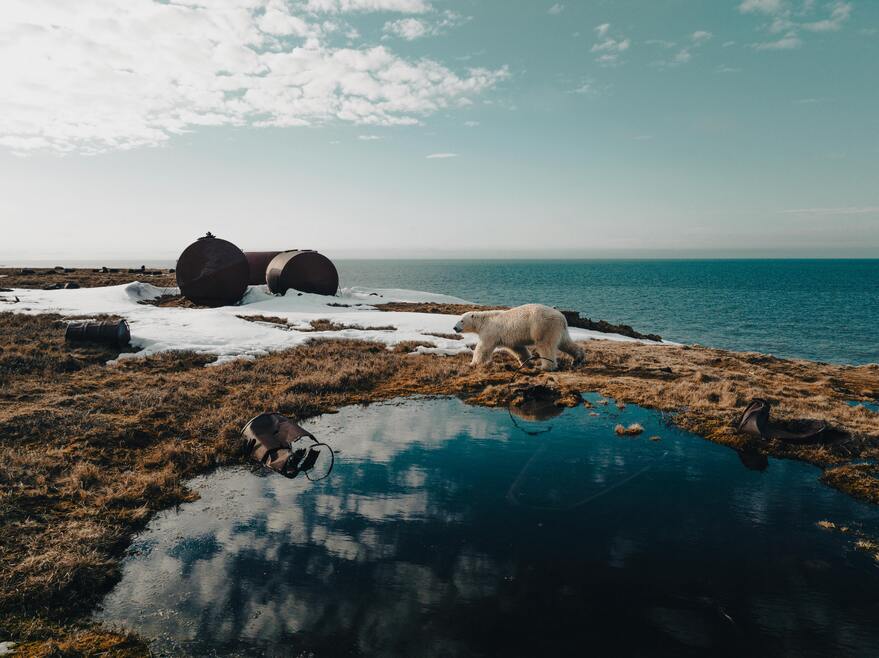
Polar bear on Arctic Shoreline with Rusted Barrels, Russia // Photo by Dmitry Ryndin
Looking beyond the horizon
A trip to the Arctic is more than an adventure in snow and silence. It takes you into a world that is both fragile and powerful, shaped by intense light, harsh climate, stunning landscapes, and the resilience of the people who live there. When you travel here, you quickly realize how closely health, environment, and climate are intertwined.
At the same time, a journey to the Arctic changes the way you see your own daily life. Suddenly, abstract terms like climate change, permafrost, or sea ice become very concrete. You see how habitats shift, how animal behavior changes, and how Indigenous communities must adapt to new conditions.
As a traveler, you carry responsibility. That includes preparing well, protecting your own health and the health of others, respecting local rules, and keeping your ecological footprint as small as possible. Those who visit the Arctic often return with more than beautiful pictures – they come back with a deeper understanding that what happens in the far north truly concerns us all.

References
Arctic Portal. Tourism in the Arctic. Retrieved November 27, 2025, from https://arcticportal.org/shipping-portlet/tourism
Centers for Disease Control and Prevention (CDC). Travel to cold climates. Retrieved November 27, 2025, from https://wwwnc.cdc.gov/travel/page/travel-to-cold-climates
Discover the World. Best time to visit the Arctic. Retrieved December 2, 2025, from https://www.discover-the-world.com/destinations/arctic-holidays/best-time-to-visit-the-arctic/
National Geographic Society. Arctic. Retrieved November 19, 2025, from https://education.nationalgeographic.org/resource/arctic/
National Snow and Ice Data Center (NSIDC). Arctic weather and climate. Retrieved November 20, 2025, from https://nsidc.org/learn/parts-cryosphere/arctic-weather-and-climate
National Snow and Ice Data Center (NSIDC). Why sea ice matters. Retrieved November 20, 2025, from https://nsidc.org/learn/parts-cryosphere/sea-ice/why-sea-ice-matters
NOAA National Ocean Service. How does sea ice affect global climate? Retrieved December 2, 2025, from https://oceanservice.noaa.gov/facts/sea-ice-climate.html
NOAA Pacific Marine Environmental Laboratory (PMEL). Arctic Zone – Frequently Asked Questions. Retrieved November 27, 2025, from https://www.pmel.noaa.gov/arctic-zone/faq.html
Oceanwide Expeditions. The ultimate traveler’s guide to the Arctic and Antarctica. Retrieved November 20, 2025, from https://oceanwide-expeditions.com/blog/the-ultimate-travelers-guide-to-the-arctic-and-antarctica
Responsible Travel. Antarctica & the Arctic travel advice. Retrieved November 20, 2025, from https://www.responsiblevacation.com/vacations/antarctica-arctic/travel-guide/antarctica-the-arctic-travel-advice
Schweizerische Rettungsflugwacht Rega. So schützen Sie sich vor einer Unterkühlung. Retrieved November 27, 2025, from https://www.rega.ch/aktuell/neues-aus-der-rega-welt/detailseite/so-schuetzen-sie-sich-vor-einer-unterkuehlung
Sysselmesteren på Svalbard. Rabies. Retrieved November 26, 2025, from https://www.sysselmesteren.no/en/rabies/
Wikipedia. Arctic rabies virus. Retrieved November 27, 2025, from https://en.wikipedia.org/wiki/Arctic_rabies_virus
WWF Arctic. Arctic communities. Retrieved December 2, 2025, from https://www.arcticwwf.org/our-priorities/arctic-communities/